Native Flutter news app for regional journalism using WordPress
Sadaiv is a native Flutter news application built directly on the WordPress REST API for regional journalism. The app avoids webviews entirely, prioritizing reading comfort, predictable performance, offline access for saved articles, and operational features such as notifications, analytics, and monetization.
Native Flutter rendering
WordPress REST API
Offline bookmarks
Push notifications
5/5
20+
Screenshots

Tech Stack
Flutter
Used to build and maintain cross-platform mobile apps with predictable performance.
Firebase
Managed backend services for auth, data storage, messaging, and analytics in mobile apps.
Hive DB
Local persistence layer for Flutter apps, optimized for fast access and offline usage.
Stacked
Architecture layer for structuring Flutter apps with clear separation of concerns.
Context
Regional news organizations relying on WordPress often lack a modern mobile presence. Existing solutions are typically webview-based, slow, and poorly optimized for long-form reading. This limits reach, reduces engagement, and makes offline access impossible.
Sadaiv was built as a native mobile client for a WordPress-powered newsroom, with a specific focus on regional journalism in Madhya Pradesh and Burhanpur. The goal was to deliver a reliable reading experience without requiring backend changes or custom infrastructure.
Problem
The core problem was delivering a native-quality news reading experience on top of an existing WordPress backend.
Key constraints:
- Must work with the default WordPress REST API
- No custom backend or middleware allowed
- Must avoid webviews entirely
- Reading experience must remain comfortable for long sessions
- Content should remain accessible in low-connectivity environments
- Monetization and analytics must be supported
Most existing WordPress-based apps failed on at least one of these dimensions.
Approach & Architecture
Sadaiv was built as a fully native Flutter application that consumes content directly from the WordPress REST API.
The architecture prioritizes:
- predictable rendering using Flutter widgets
- clear separation between data fetching, state management, and UI
- minimal assumptions about backend capabilities
All content is rendered natively rather than via HTML webviews, ensuring consistent spacing, typography, and performance. Pagination is handled at the API level to reduce network load and maintain smooth scrolling.
Offline support is intentionally scoped to bookmarked articles, allowing full offline reading without storing entire feeds or raw HTML.
Reading Experience & UX
The application is designed around reading comfort.
Key UX decisions:
- stable Material 3-based design system
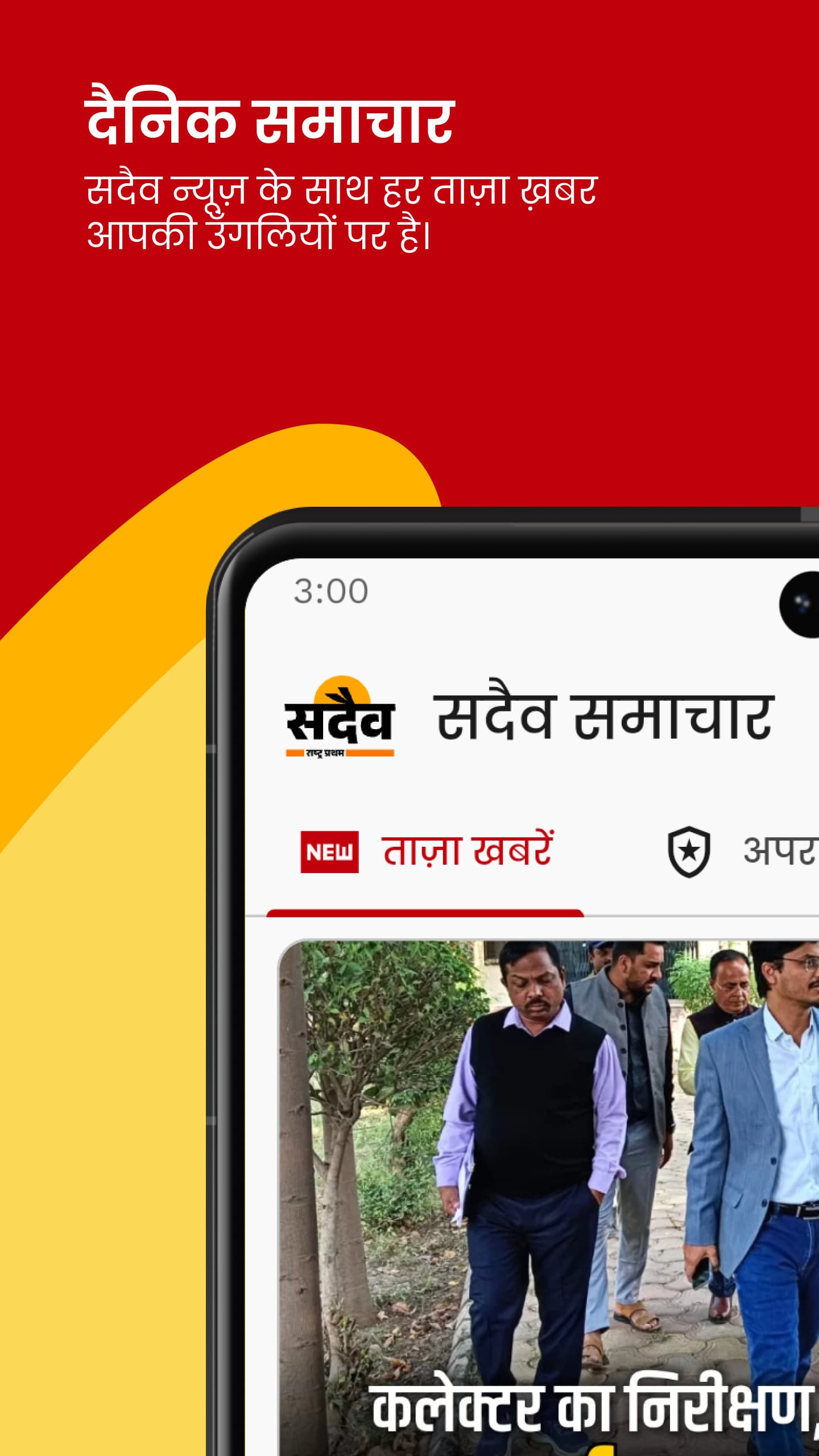
- consistent card layouts for fast feed scanning
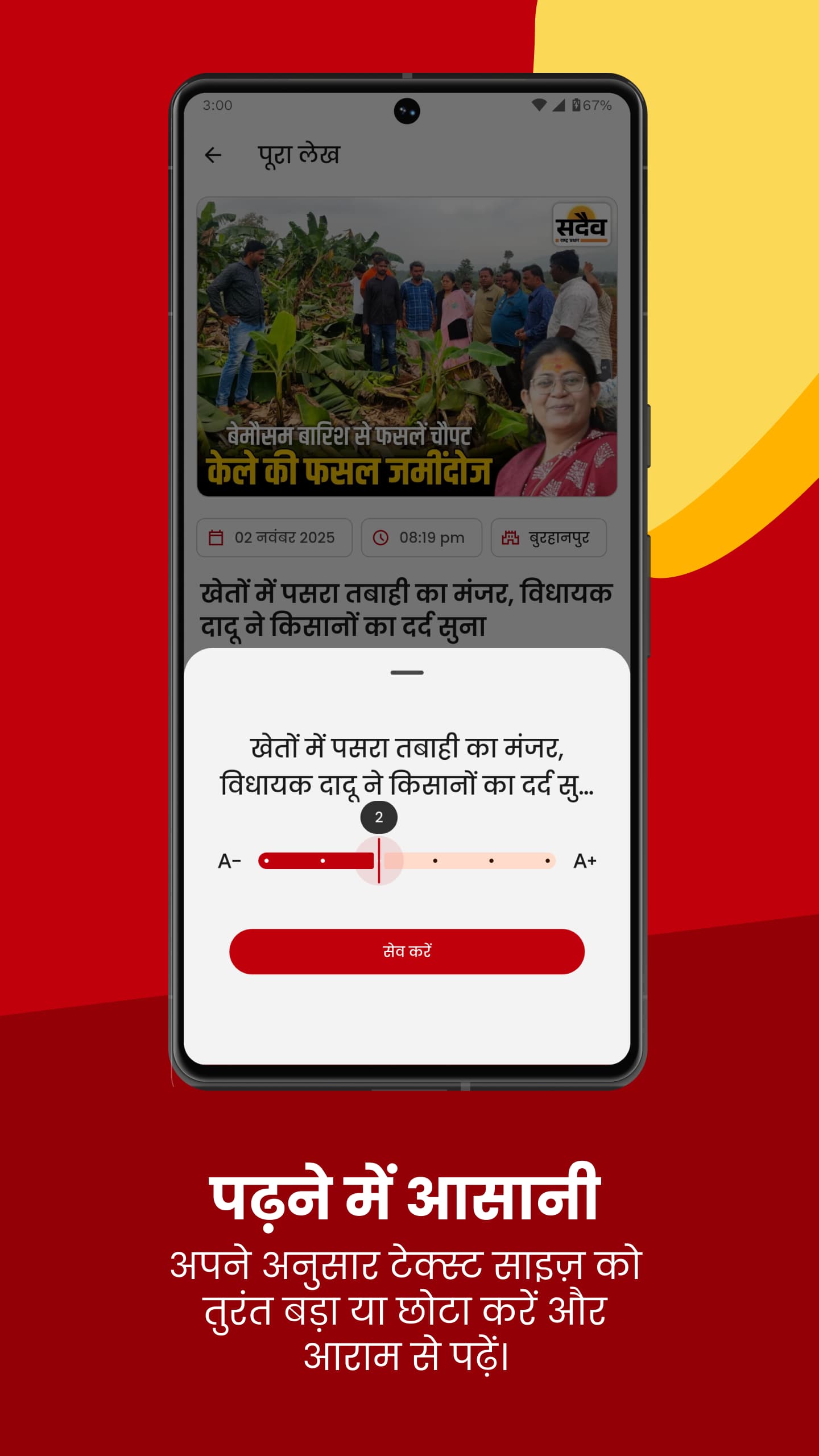
- adjustable global text size for accessibility
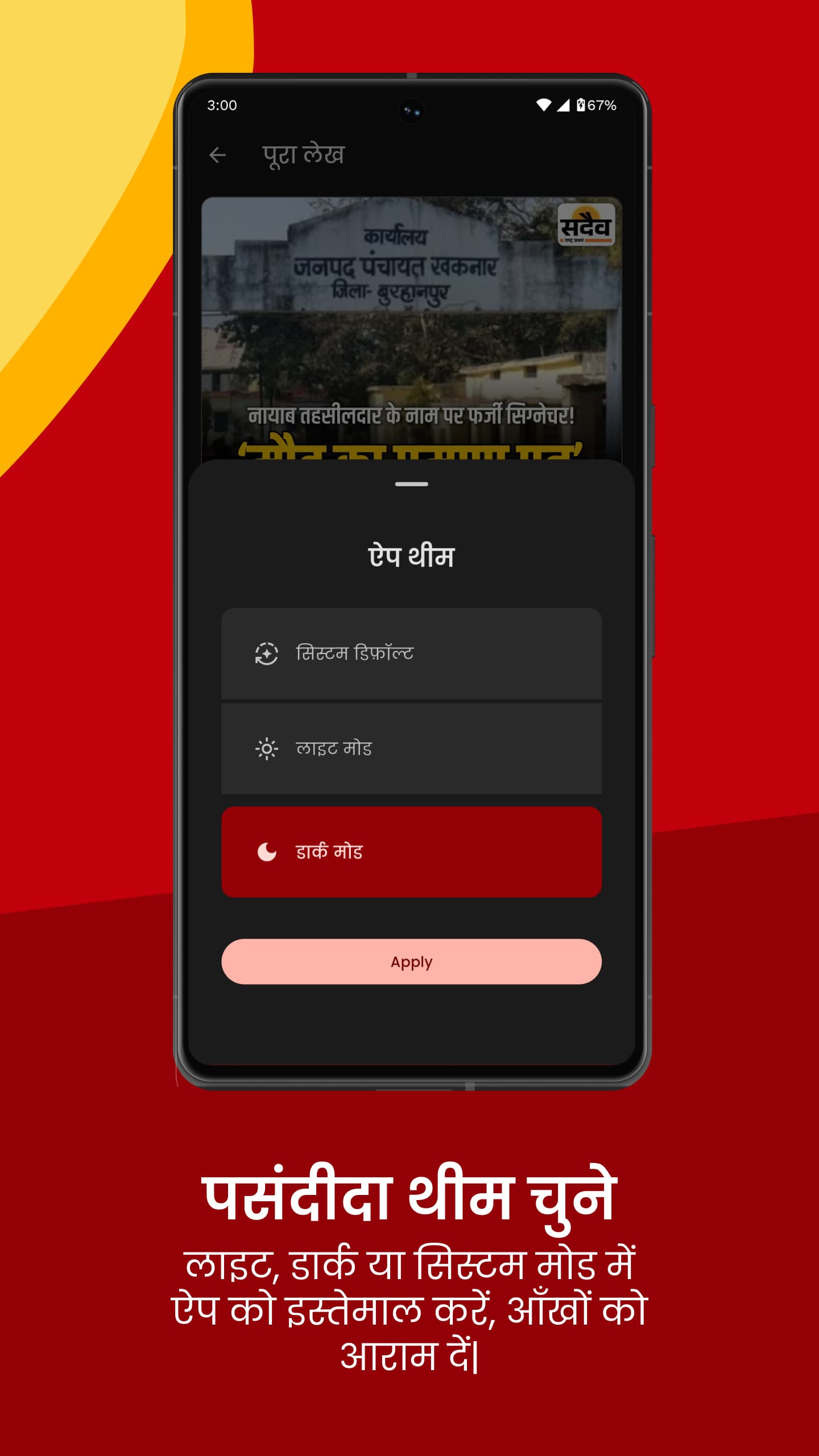
- manual Light and Dark themes to preserve brand consistency
Article screens focus on rhythm and clarity, with structured spacing and predictable typography to support long-form consumption.
Content & Navigation Model
Content is organized to balance discovery and locality.
The home feed supports:
- latest news
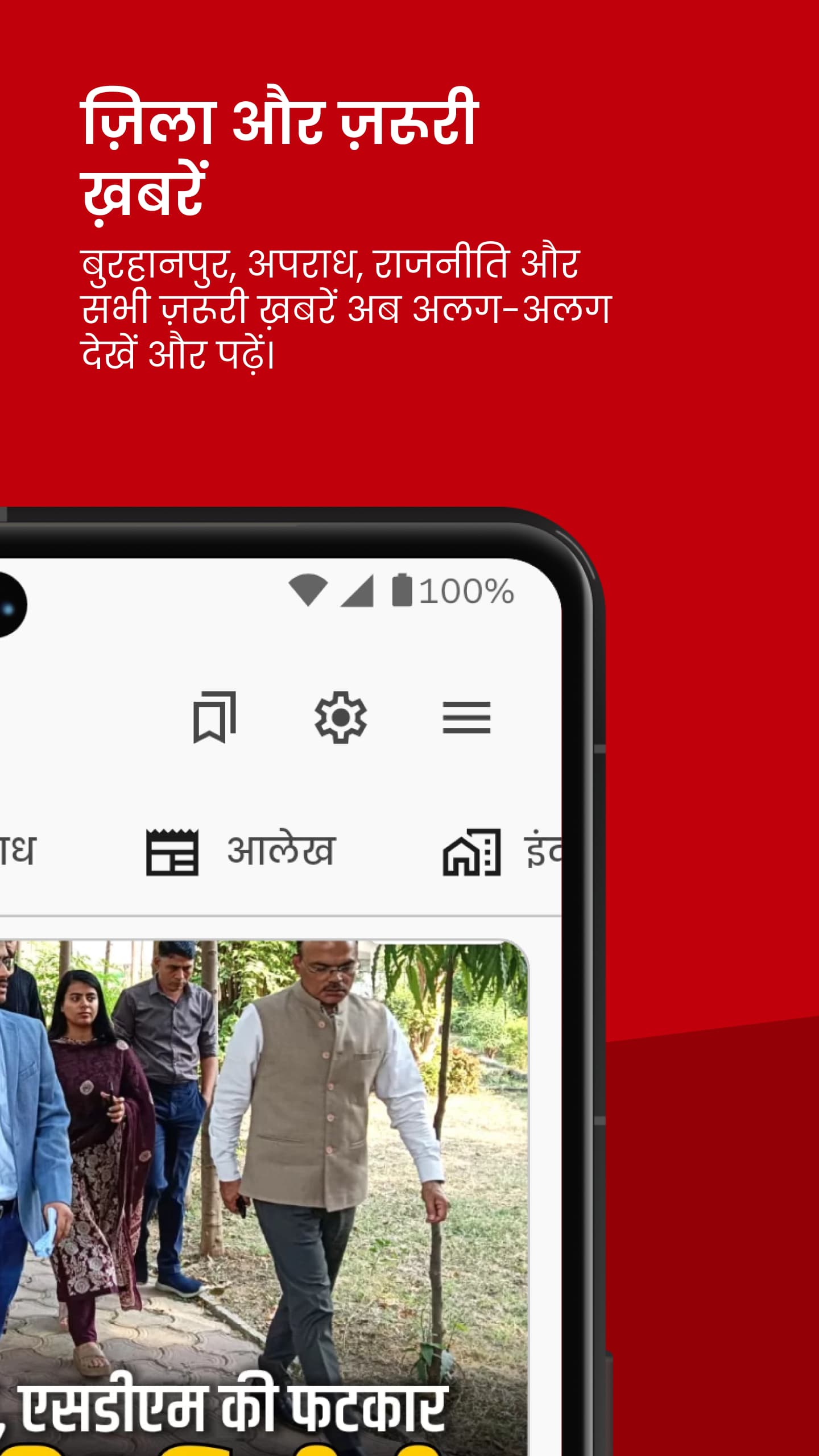
- category-based navigation with instant switching
- paginated loading with clear loading and error states
Articles include clickable category tags that lead to dedicated category pages with paginated content and visual headers, allowing users to explore topics without losing context.
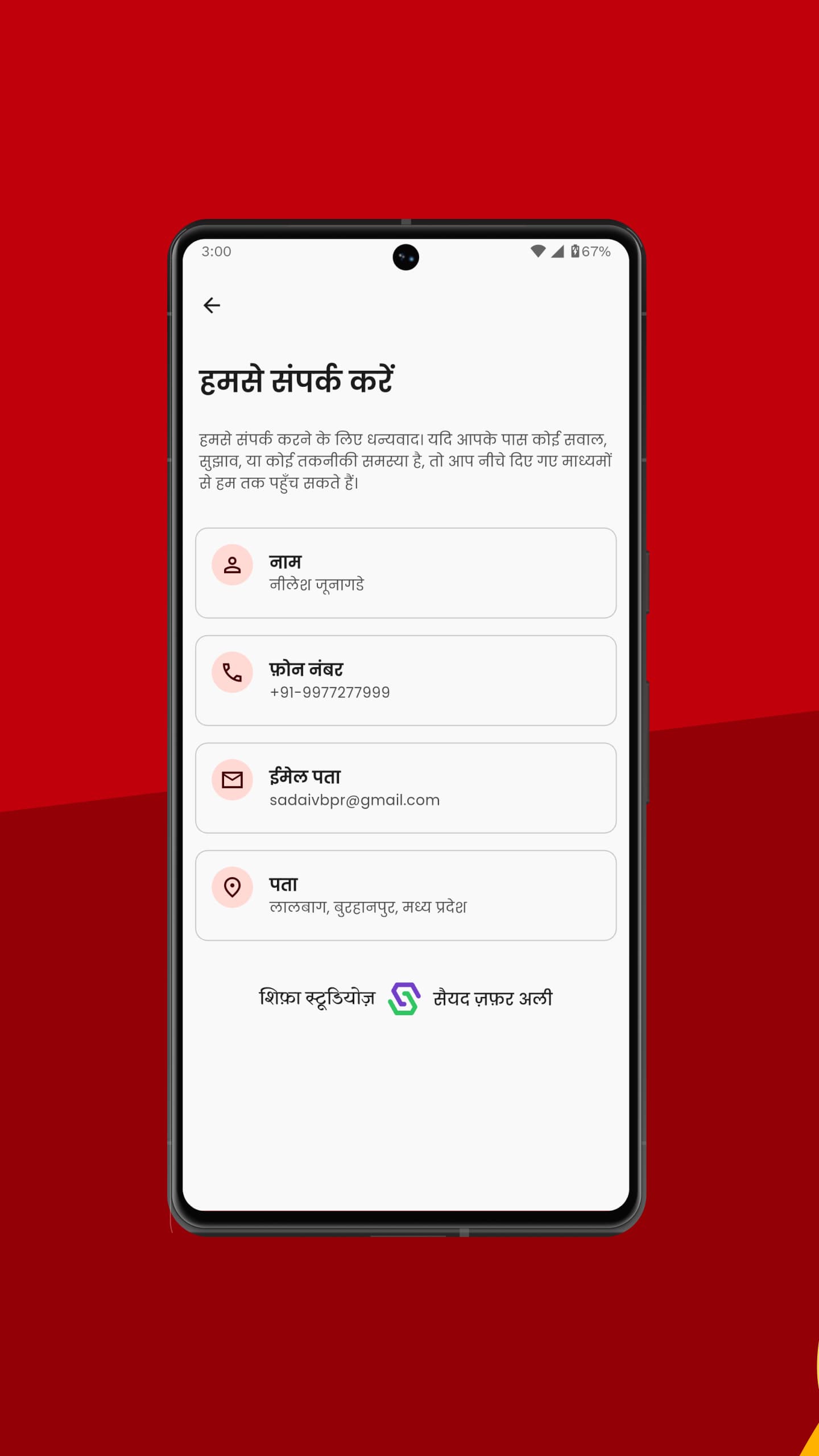
Static pages such as About and Contact are implemented natively to ensure consistent layout and reliability.
Offline Access & Notifications
Users can bookmark articles for later reading. Bookmarked content is stored locally in structured form, preserving layout and metadata for clean offline access.
Push notifications are triggered via a lightweight WordPress-side integration using Firebase Cloud Messaging, enabling breaking news alerts without additional backend complexity.
Analytics & Operational Visibility
Sadaiv includes structured analytics to capture meaningful reader behavior rather than vanity metrics.
Tracked signals include:
- app opens and navigation patterns
- category engagement
- article opens and read completion
- bookmark usage
- accessibility-related settings changes
Crash reporting is configured to reduce noise and surface actionable issues, supporting long-term stability.
Outcomes
- Production-ready regional news application
- Native reading experience without webviews
- Offline access for saved articles
- Full monetization and analytics support
- 5★ rating with early user adoption
Sadaiv demonstrates that WordPress can serve as a reliable content backend for modern mobile news applications when paired with a native-first client.
Trade-offs & Lessons
- Chose native rendering over HTML flexibility to improve readability and stability
- Limited offline scope to bookmarks to control storage and complexity
- Prioritized consistent UX over dynamic theming
If extending the system further, I would explore incremental feed caching and richer editorial analytics without compromising reading performance.
What our users say
No Testimonials Available
We currently have no testimonials for this project.